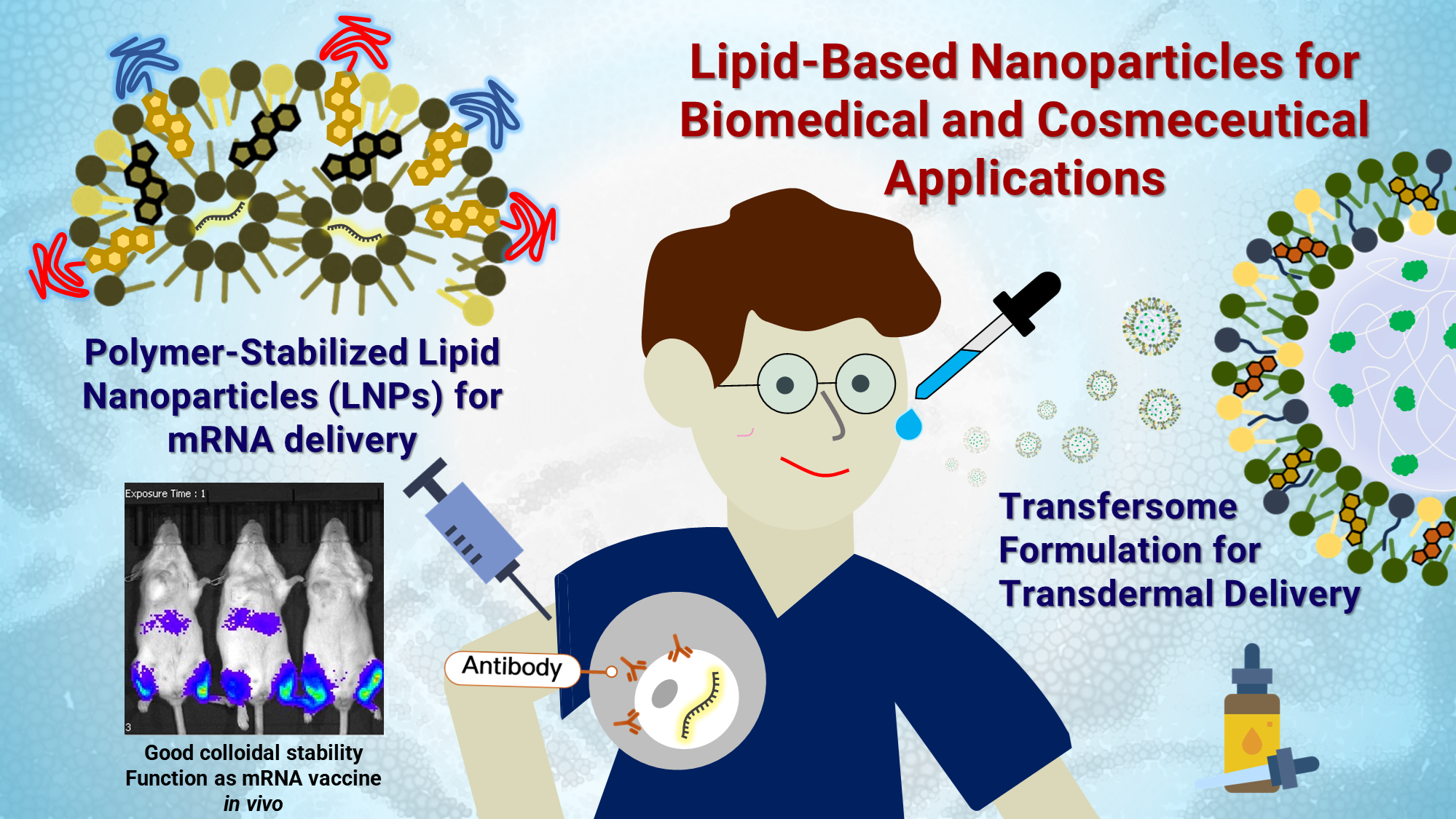
Lipid-based nanoparticles for biomedical and cosmeceutical applications
A method will be developed for the synthesis of gold (Au) and iron oxide (IO) dumbbell-like heterostructure. The material will be used as dual-responsive material through photothermal response of the Au module and magnetic hyperthermia response of the IO module. The synthesis will be done with Au nanorods of different aspect ratio as templates for the growth of IO modules. The length of the Au nanorods will be varied to control the orientation of the IO modules and tune both the photo- and magneto-responsive of the material. The final products will be tested as cancer hyperthermia agents in a 2D in vitro cell culture setting.
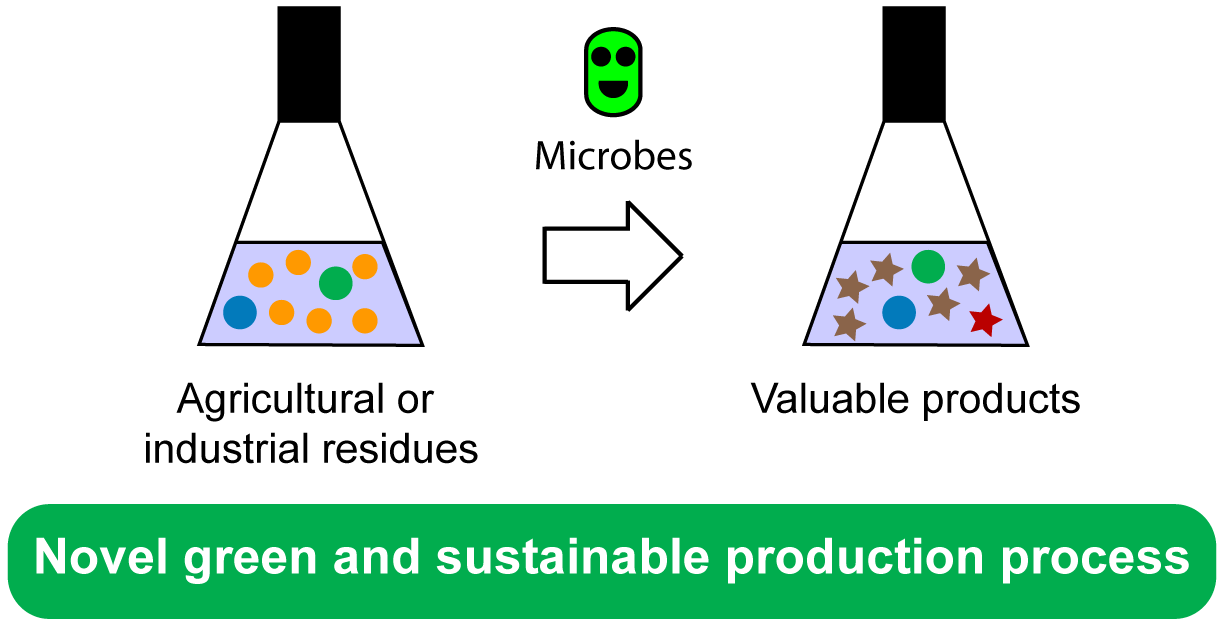
Microbial or enzymatic biotransformation of agricultural and industrial residues into value-added products
Agricultural and industrial residues pose a significant environmental challenge but also offer valuable resources for sustainable biotechnological applications. This research aims to harness the potential of microorganisms and enzymes to convert these residues, such as ginger bagasse, aloe vera peel, and polyphenols from sugarcane bagasse, into valuable products. The ability of isolated microbes to biotransform or couple these materials with other chemicals will be investigated using TLC, HPLC, and LC-MS-based untargeted metabolomics analyses. The biotransformed products will be structurally characterized using NMR, MS, and other appropriate chromatographic techniques, and tested for biosurfactant properties, antimicrobial activities, and plant growth-promoting effects. Finally, the biotransformation mechanisms will be elucidated by isolating and characterizing the involved enzymes. We hope this study will provide new insights and practical applications for the biotransformation of agricultural and industrial residues, contributing to environmental sustainability and innovative biotechnological advancements.
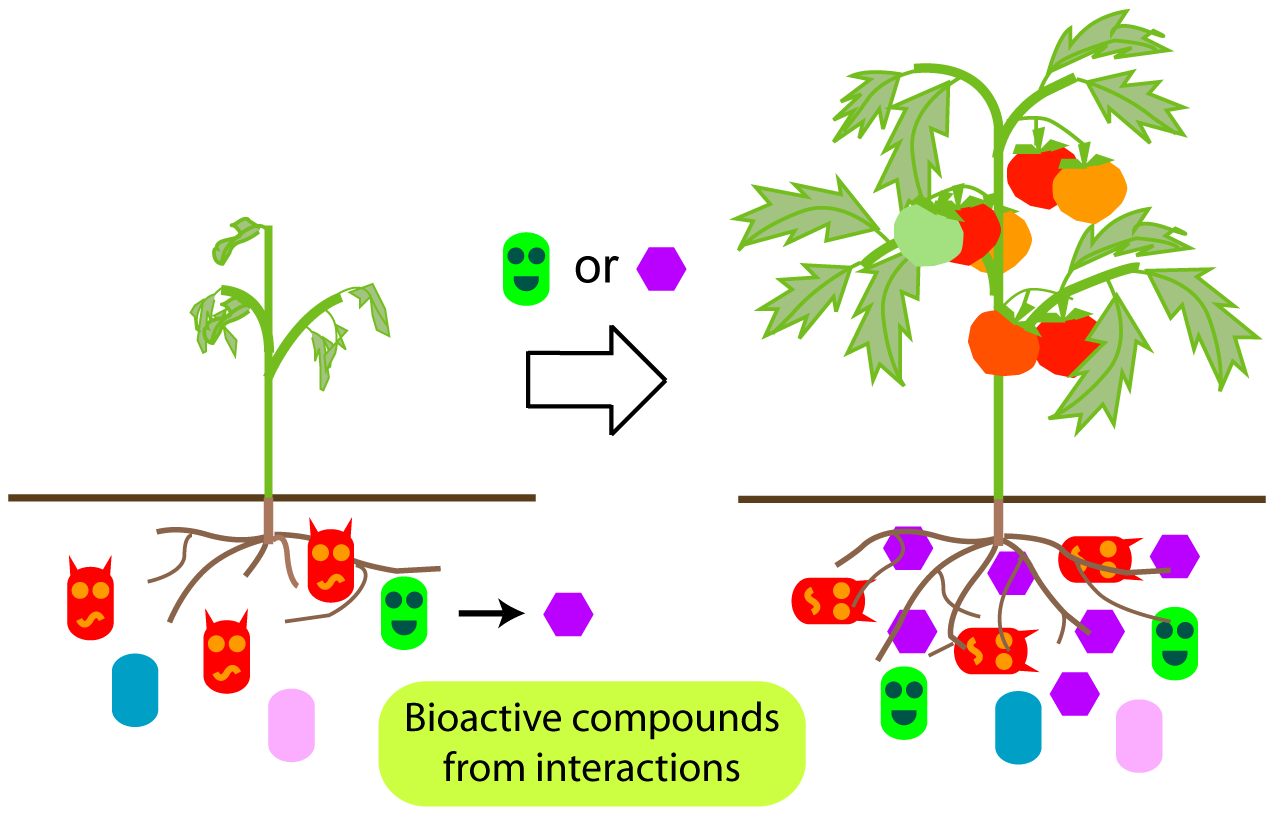
Combating microbial plant pathogens using natural products from rhizospheric microbe-microbe interactions
Microbial plant pathogens pose a significant threat to agriculture, causing extensive crop losses and reducing food security. Traditional methods of combating these pathogens often rely on chemical pesticides, which can have detrimental environmental effects and lead to resistant pathogen strains. Therefore, there is a growing need for sustainable and effective alternatives. This research aims to combat microbial plant pathogens by harnessing novel natural products derived from rhizospheric microbe-microbe interactions. These interactions are a rich source of unique compounds with potential antimicrobial properties. Initially, we will identify and isolate natural products produced by interactions between biocontrol microbes, microbial plant pathogens, and other rhizospheric microbes using LC-MS-based untargeted metabolomic analyses. The antimicrobial activities of these isolated products will then be tested against plant pathogens, and their effects will be evaluated in plant pots and field trials. Furthermore, we will study the biosynthetic and stimulated mechanisms of these natural products using RT-PCR and other appropriate techniques. This research seeks to offer innovative and sustainable solutions for managing plant diseases, enhancing crop health, and improving agricultural productivity.
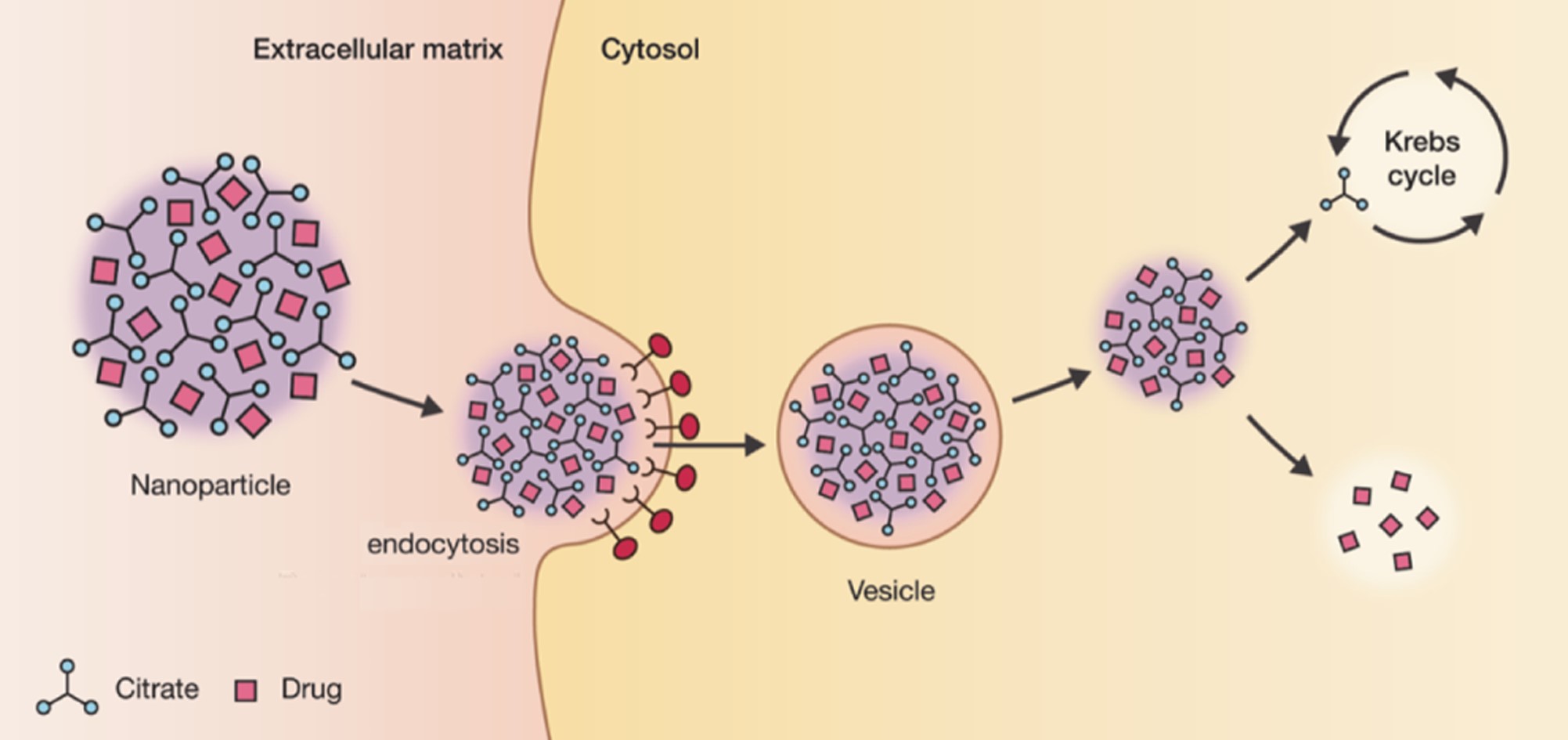
Ionic nanoparticles for drug delivery and control releasing applications
My current research interest is focused on developing novel ionic nanoparticles as a molecular delivery system. Drugs or active ingredients are pre−concentrated in the nanoparticles promoting the up-taking process of the cells. A novel calcium citrate nanoparticle has been developed in close collaboration with the department of anatomy, faculty of medicine, Chulalongkorn University. The nanoparticle carried and released an organic dye into the target cell efficiently. These findings strongly suggest that the calcium citrate nanoparticle can potentially be used as a novel drug carrier with high cellular uptake.
Keywords: Nanoparticles, Drug Delivery, Drug Carrier, Control Releasing
Assoc. Prof. Rojrit Rojanathanes
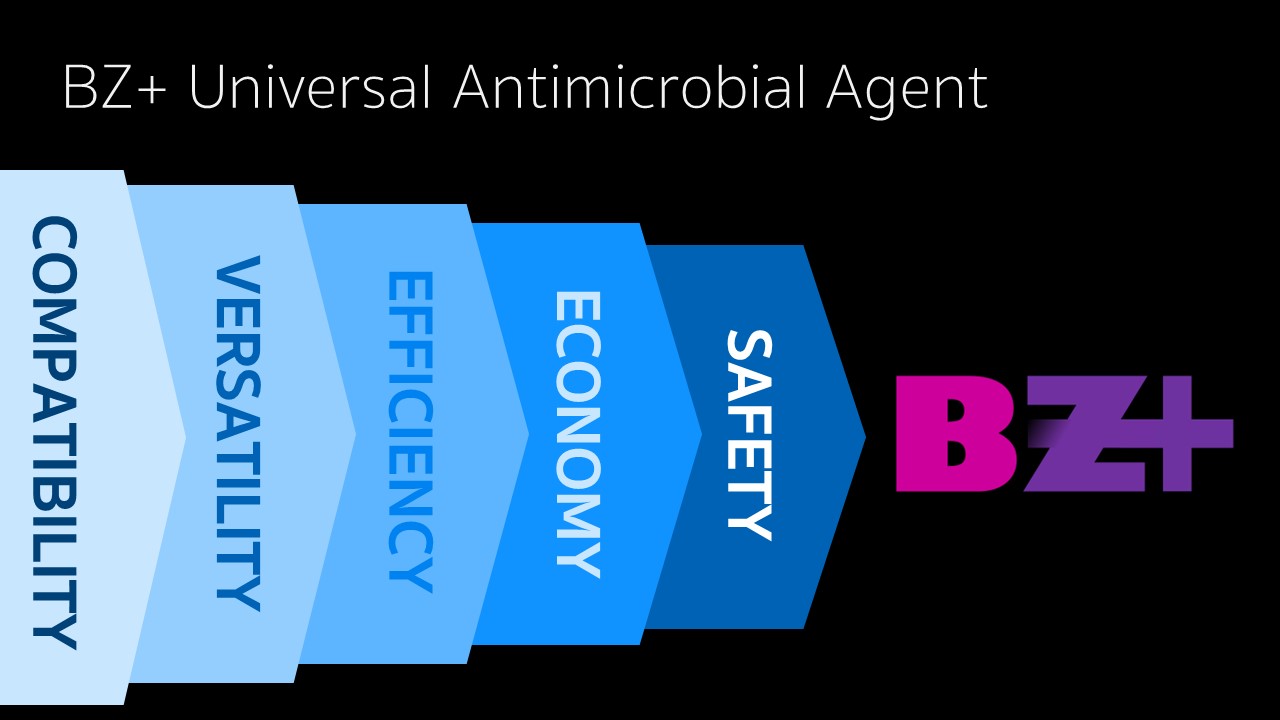
High-performance disinfectant
Novel disinfectant formulation, BZ+, have been developed. The synergistic effect of each chemical component reduces the functioning concentration into ppm level. Thus, ultrahigh concentration formulation can be achieved. All components are chemically inert, the disinfection mechanism is based on physical interactions leads to non-irritating properties. Moreover, its chemical compatibility allows further modification to suite specific purposes.
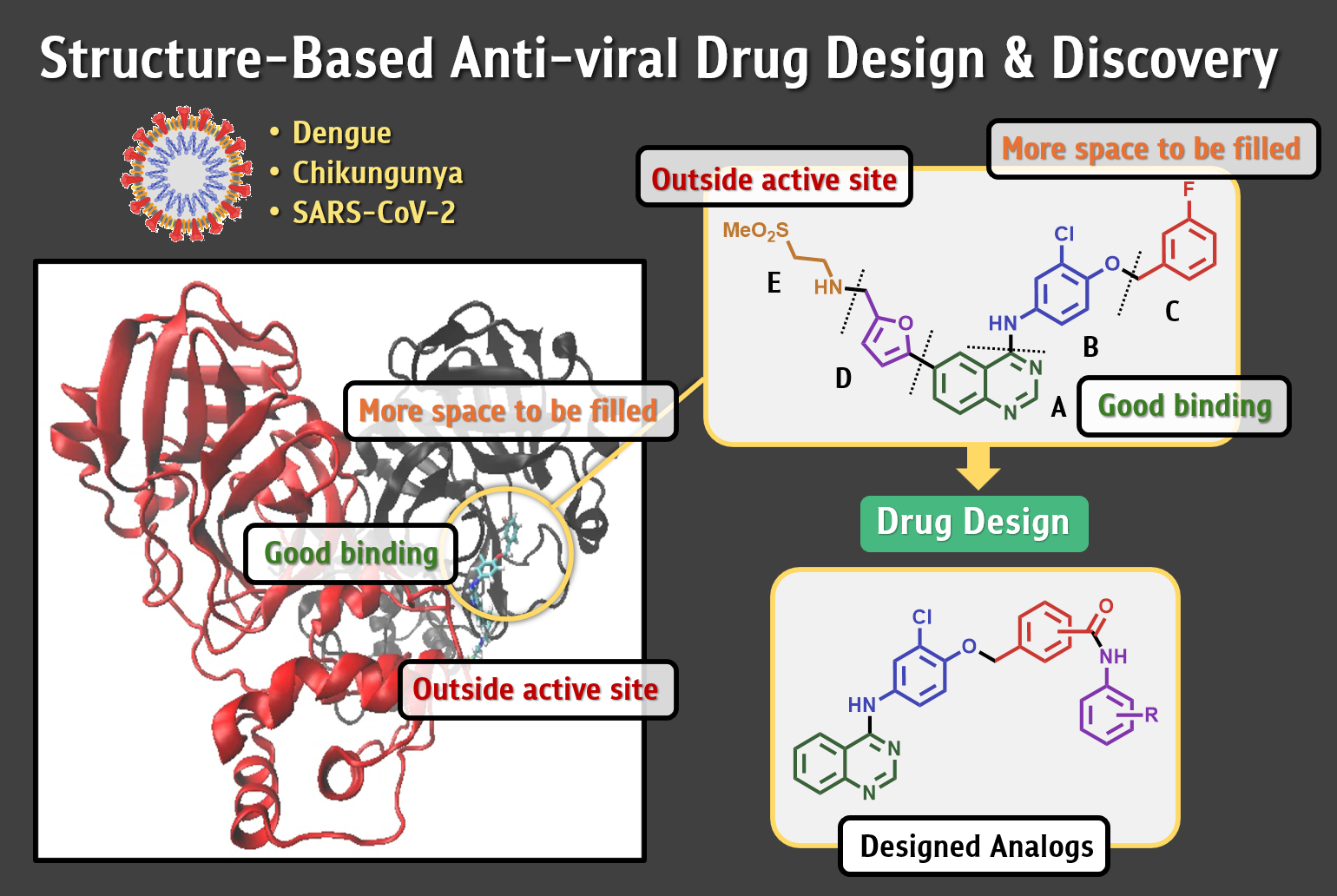
Structure-Based Anti-Viral Drug Design and Discovery
The discovery of novel antivirals for dengue, chikungunya, and SARS-CoV-2 by integrating structure-based design with rational hit-to-lead optimization, focusing on methyltransferase (MTase), Main Protease (Mpro), and other key enzyme targets. Using X-ray crystallography and molecular dynamics (MD) simulations, we elucidate essential protein–ligand interactions that guide the identification of promising scaffolds. These leads undergo systematic organic synthesis, with iterative structure–activity relationship (SAR) refinements to optimize potency, selectivity, and physicochemical properties. The resulting compounds are subjected to enzymatic and cell-based assays to confirm efficacy, alongside toxicity assessments to ensure safety. For the most promising candidates, pharmacokinetic (PK) studies provide insights into absorption and metabolism, enabling a streamlined progression from early target validation to clinically relevant lead compounds.
Keywords: Drug Design, Hit-to-lead Optimization, Dengue, Chikunguya, SARS-CoV-2
Assoc. Prof. Tanatorn Khotavivattana
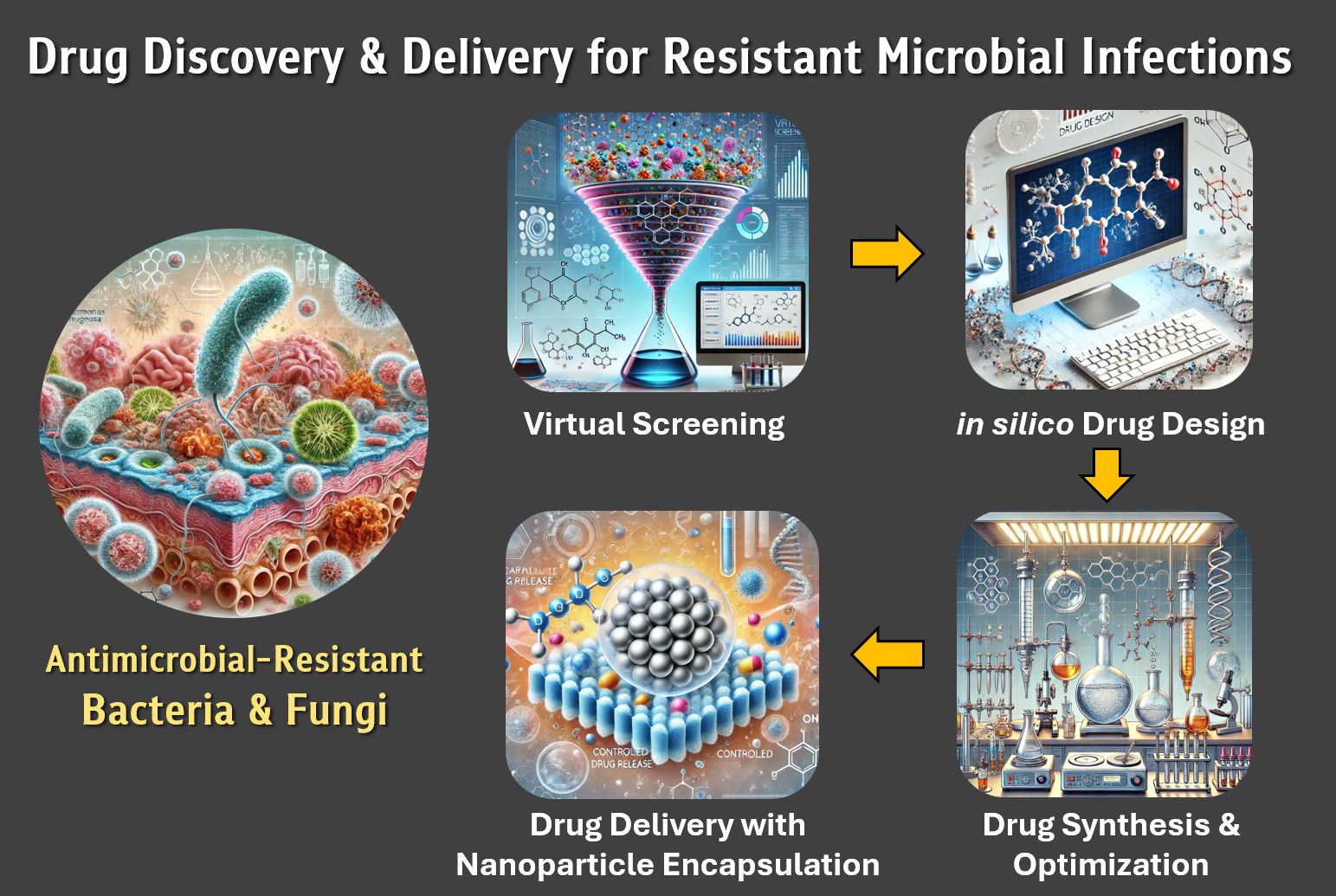
Drug Discovery & Delivery for Resistant Microbial Infections
Development of innovative drugs and delivery systems targeting resistant microbial infections, including multidrug-resistant Pseudomonas aeruginosa, Candida auris, and azole-resistant Aspergillus fumigatus. The focus is on inhibiting key microbial enzymes involved in cell wall biosynthesis and remodeling, such as chitin synthase, chitinase, and β-glucan synthase. Virtual screening and in silico drug design are employed to identify potential inhibitors, followed by hit-to-lead optimization and SAR studies to enhance potency, selectivity, and pharmacokinetics. Optimized drugs are encapsulated in nanoparticles for targeted drug delivery, improving bioavailability, minimizing off-target effects, and ensuring localized action. This approach addresses antimicrobial resistance by integrating advanced drug discovery and delivery technologies.
Keywords: Antimicrobial resistance, Virtual Screening; In silico drug design, Hit-to-lead Process, Nanoparticle drug delivery
Assist. Prof. Benjaporn Narupai
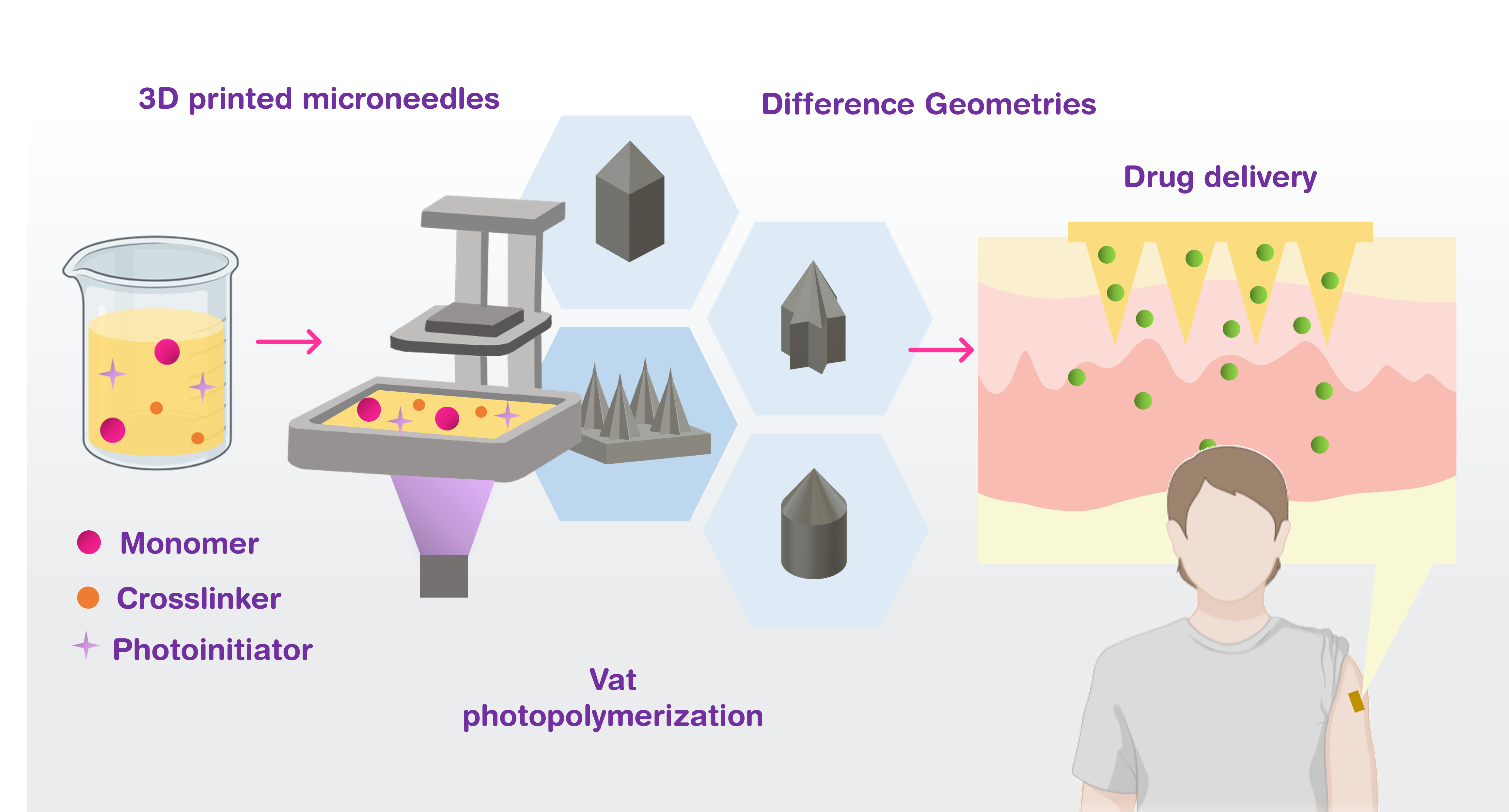
3D Printed Microneedles for Transdermal Drug Delivery
Microneedles are sharp, needle-like structures capable of creating temporary mechanical channels on the skin’s surface, allowing for painless transport of encapsulated drugs. Traditional microneedle fabrication involves multi-step processes and expensive equipment, which limit the scalability of production. However, 3D printing technology has garnered significant attention for its ability to simplify fabrication processes and enable the creation of complex structures that surpass the capabilities of conventional techniques. In our research group, we have developed novel materials for stereolithographic 3D-printed microneedles. Our goal is to fabricate various designs and geometries of 3D-printed microneedles to investigate their mechanical properties, drug release profiles, swelling behavior, and degradation characteristics.
Keywords: Microneedles, 3D printing, Vat photopolymerization, Transdermal drug delivery
Dr. Chanat Aonbangkhen
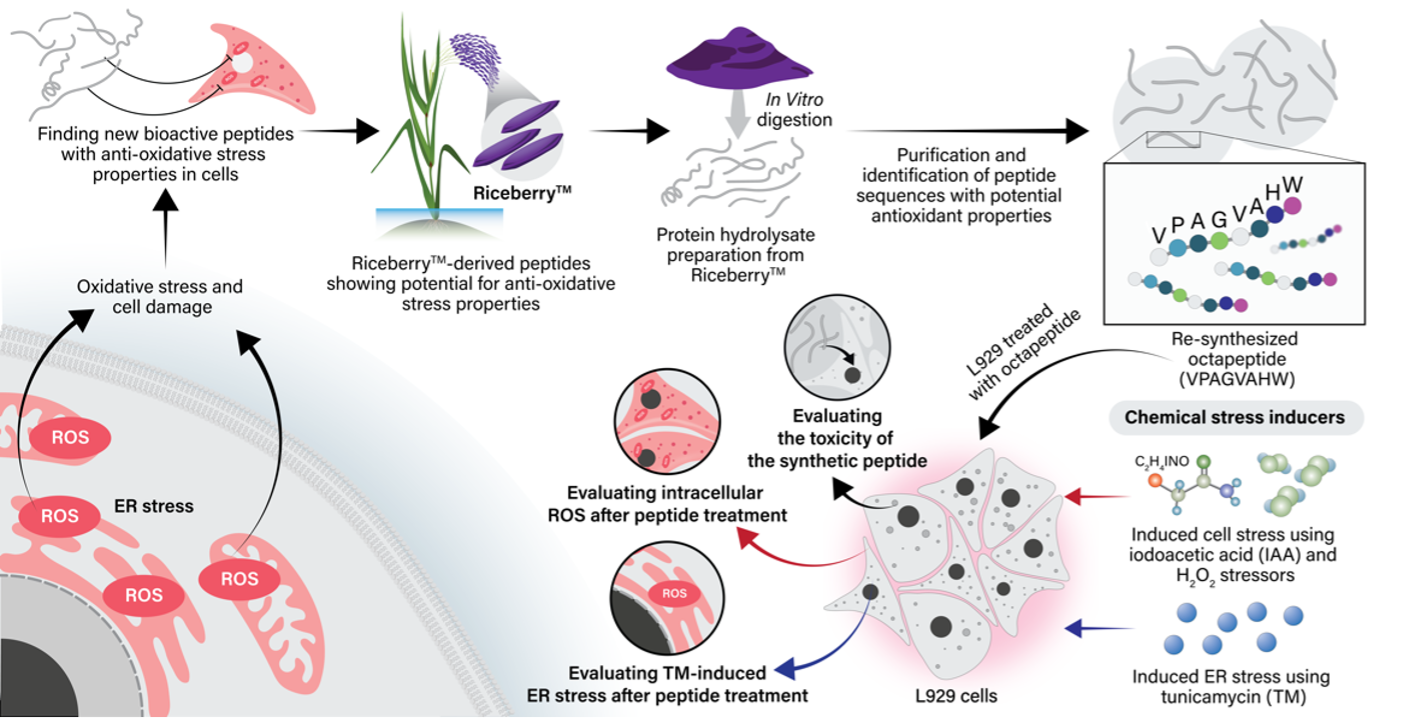
Protective Effects of an Octapeptide Identified from Riceberry™ (Oryza sativa) Protein Hydrolysate on Oxidative and Endoplasmic Reticulum (ER) Stress in human Cells
Reactive oxygen species (ROS) play a critical role in oxidative stress and cellular damage, underscoring the importance of identifying potent antioxidants. This research focuses on the antioxidant capabilities of plant-derived peptides and their protective effects against oxidative and endoplasmic reticulum (ER) stress in human cells. By simulating human digestion, the protein hydrolysate was generated, from which antioxidant peptides were isolated using OFFGEL electrophoresis and LC-MS/MS. Notably, an octapeptide from the hydrolysate demonstrated significant antioxidant activity, particularly against oxidative stress induced by iodoacetic acid (IAA) or hydrogen peroxide (H2O2) and ER stress caused by tunicamycin (TM) in L929 cells. This peptide’s effectiveness was evident in its dose-dependent ability to enhance cell viability and mitigate stress effects, although its efficiency varied with the stress inducer. Our study suggests that plant-derived peptides could serve as a promising natural antioxidant with potential benefits for health promotion and applications in the food industry, offering an environmentally friendly alternative to synthetic antioxidants.
Keywords: Protein hydrolysate, Bioactive peptides, Oxidative stress, Cells