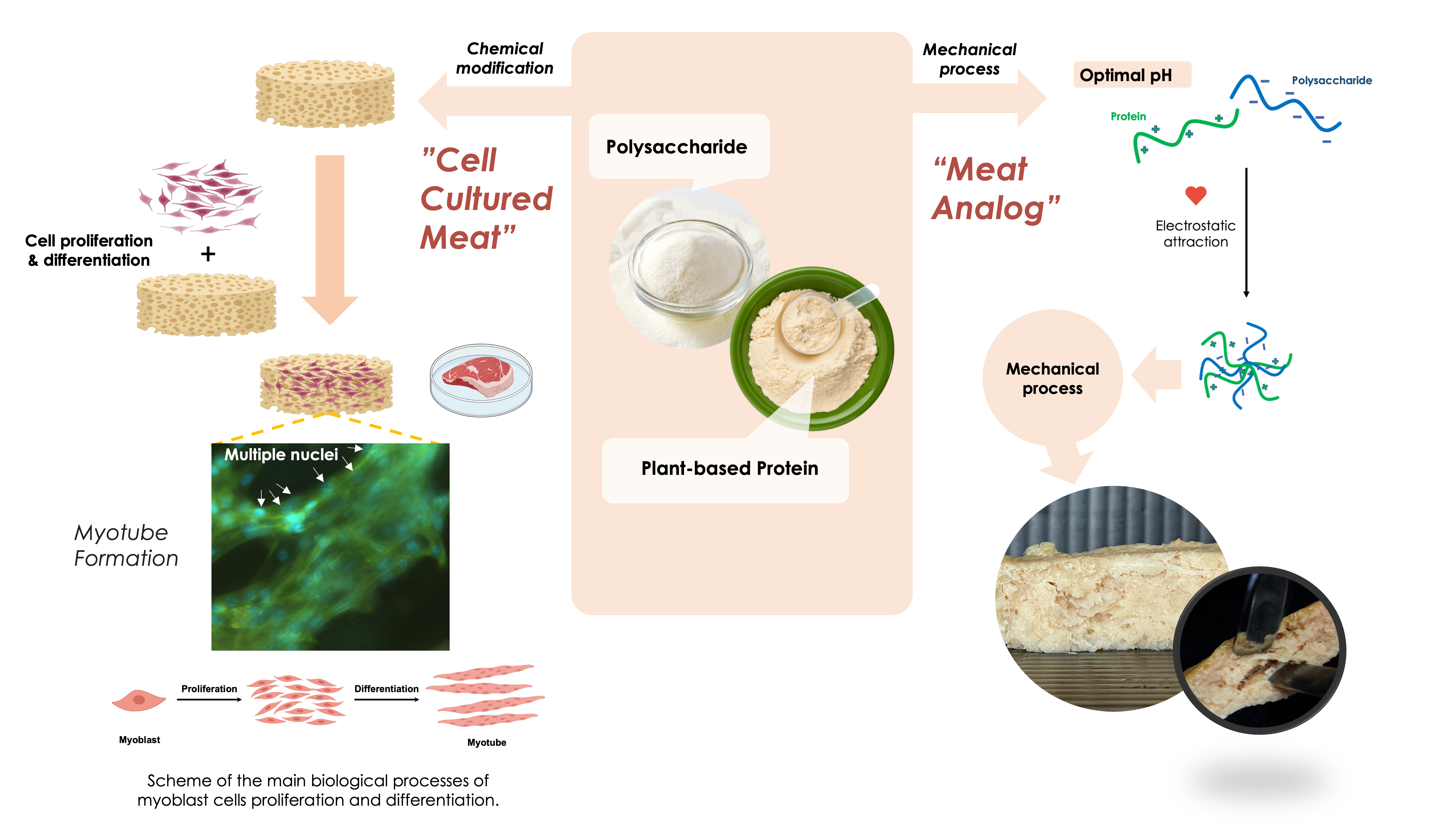
Due to the awareness of global environmental issues, the quest for sustainable and ethical food sources has driven innovation in both cell-cultured meat and plant-based meat alternatives. This project focuses on the design and development of advanced biopolymer-based materials that support cell growth for cultured meat and create innovative meat alternatives. By combining polymer chemistry and food science, we can address the challenges of texture, nutritional profile, and scalability in next-generation meat products.
Keywords: Polysaccharide, Future food, Plant-based meat, Cultured meat, Protein
Assist. Prof. Benjaporn Narupai
Smart fruit packaging
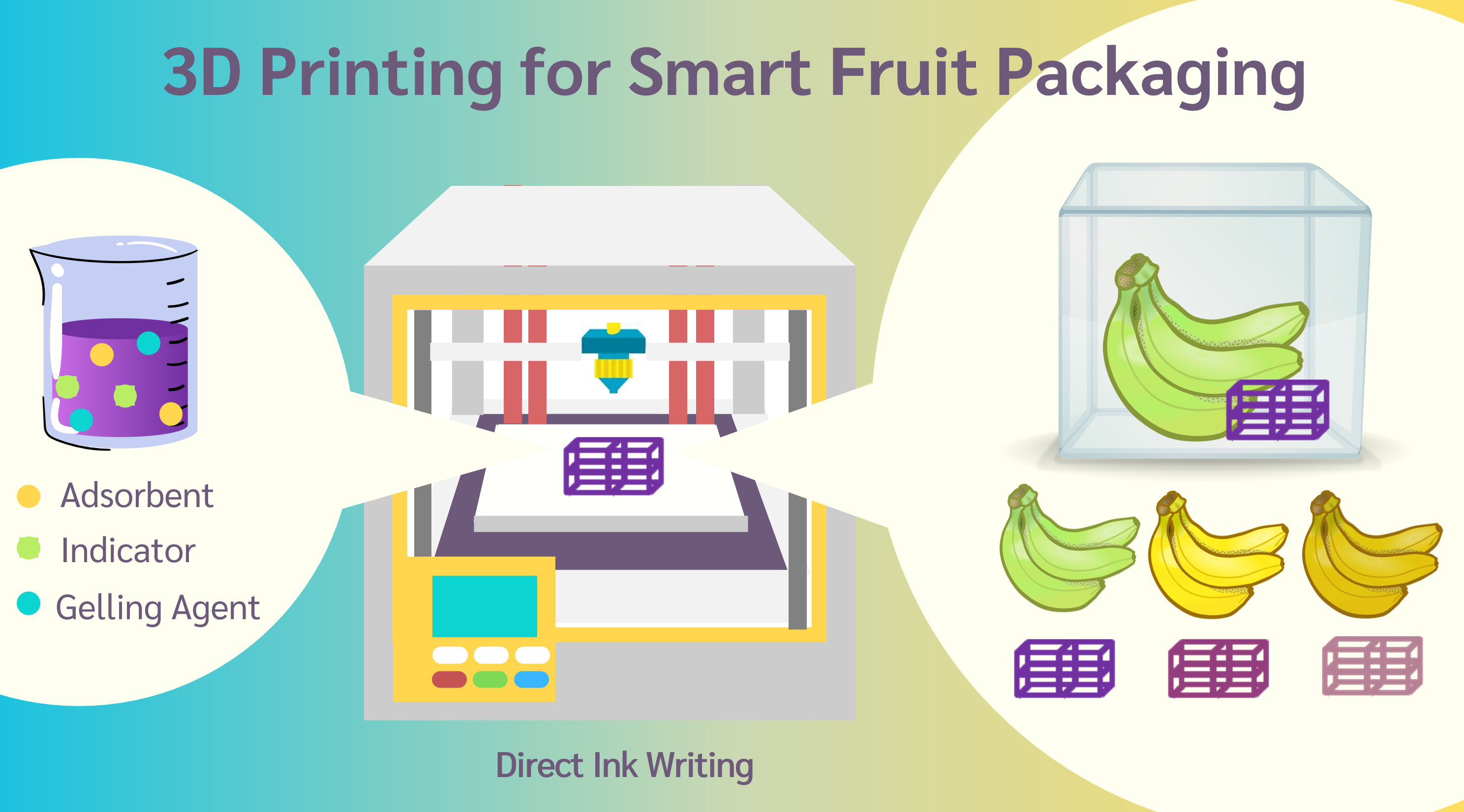
The development of packaging for agricultural products has gained significant attention in recent years. Ensuring the quality and safety of these products is essential to guarantee consumer satisfaction and safety. This has led to the rise of smart packaging, which incorporates intelligent features to enhance product value, such as ripeness indicators and gas leak detectors. Our team has developed 3D-printed bio-based polymers designed to extend the shelf life of fruits and detect ethylene gas visible to the naked eye. Our goal is to transform conventional packaging into smart packaging that not only adds value to the products but also reduces the rate of fruit spoilage during export.
Keywords: 3D printing, Bio-based polymer, Fruit packaging, Ethylene gas, Colorimetric sensor
Assist. Prof. Benjaporn Narupai
3D printing of silicone resin for medical devices
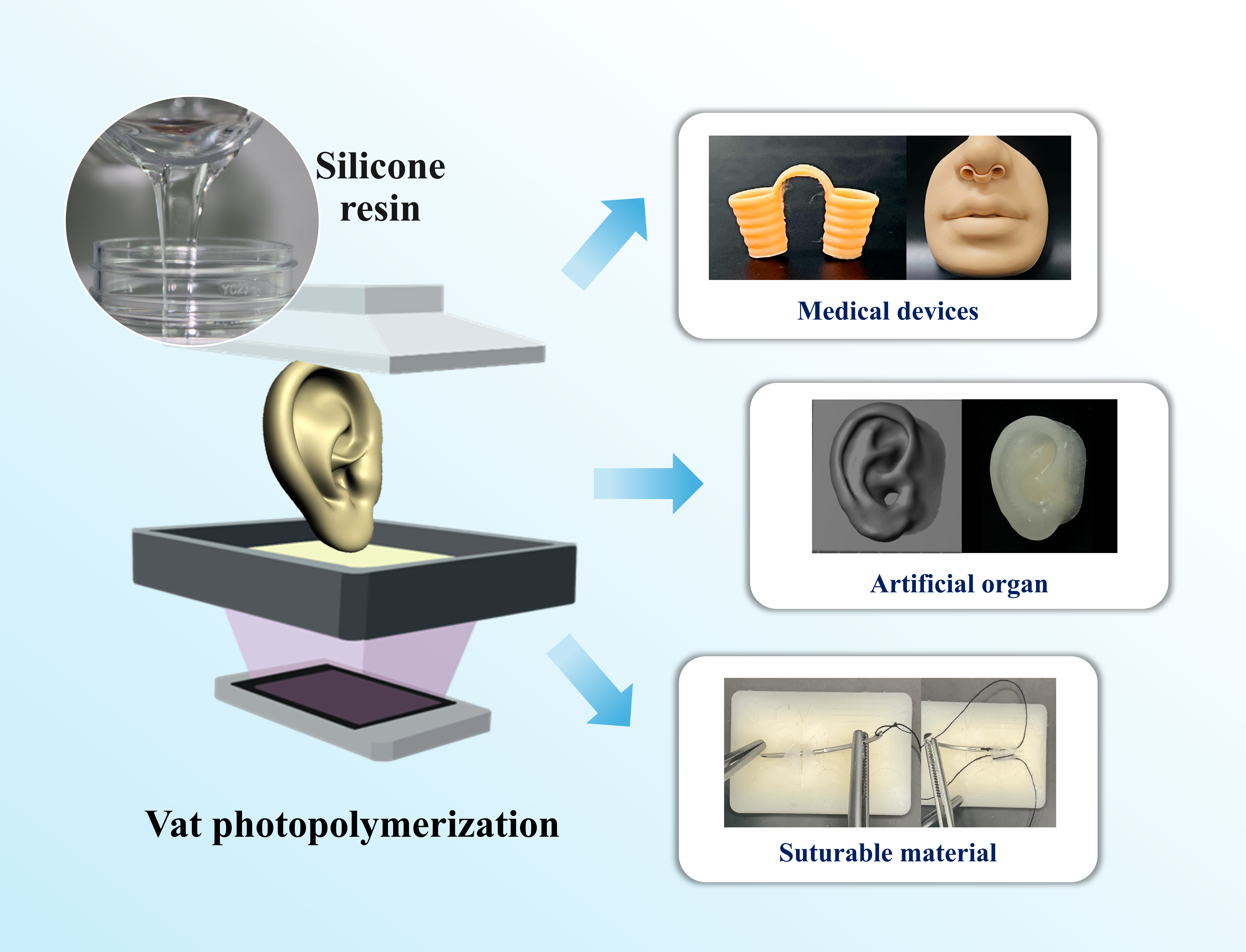
Silicone is a widely used material in medical devices due to its biocompatibility, flexibility, durability, and resistance to extreme temperatures, chemicals, and UV light, making it ideal for various healthcare applications. In our research group, we have developed photosensitive silicone resin for 3D printing via vat photopolymerization. By utilizing 3D printing technology, we can create personalized medical devices tailored to individual needs. Additionally, our suturable material can be used to 3D-print organs, providing medical professionals with realistic models to practice procedures before performing actual surgeries.
Keywords: PDMS, silicone, medical devices, 3D printing, vat photopolymerization
Dr. Pongphak Chidchob
Transforming common polymers with versatile functionalization strategies to create adaptable, dynamic materials
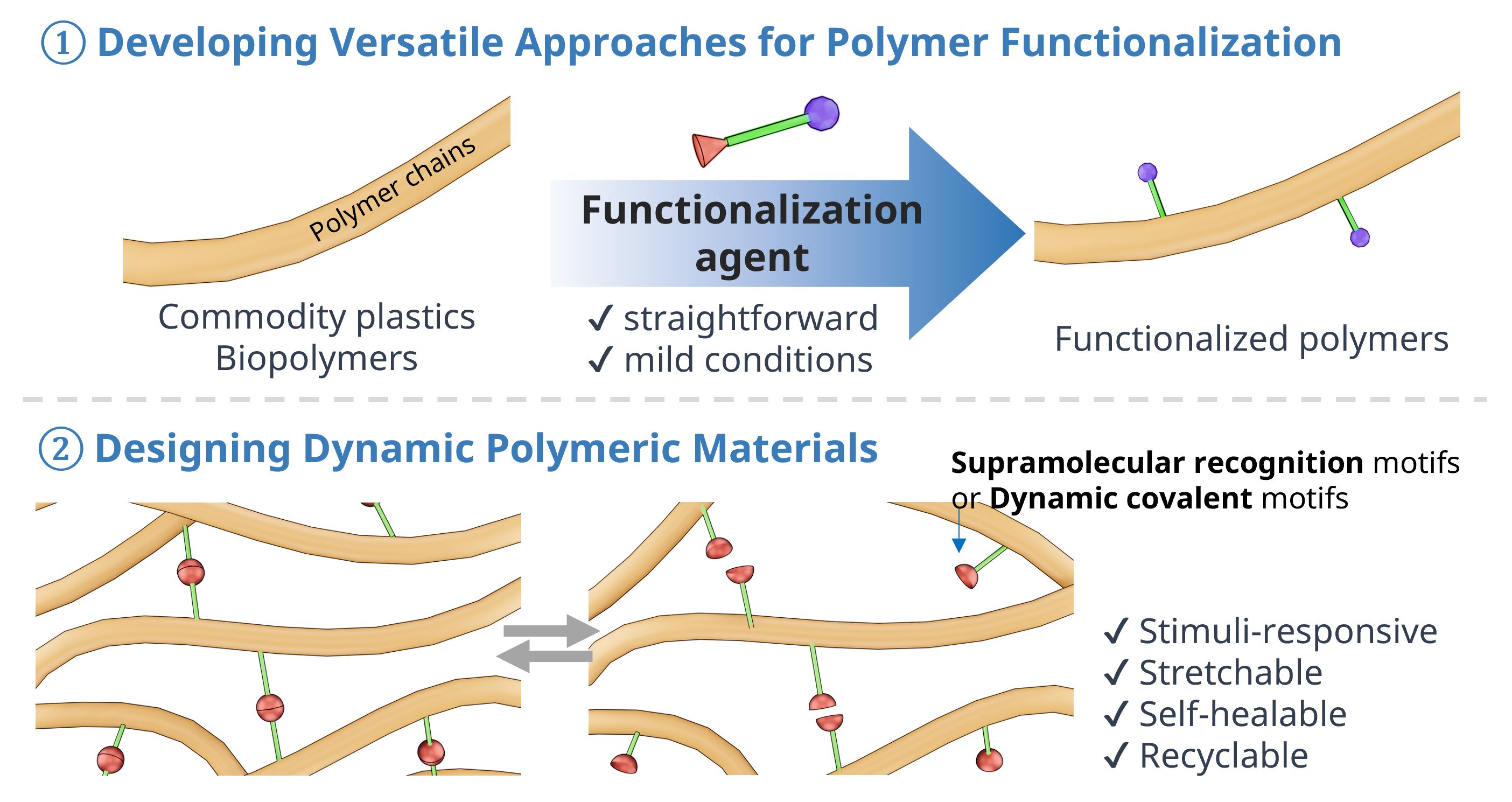
Dynamic bonds, like flexible connectors, offer the potential for polymeric materials to self-heal, respond to specific stimuli, such as changes in temperature and mechanical force, and even be recycled. However, complex synthesis, multistep processing, and the use of environmentally unfriendly chemicals in common functionalization chemistries hinder the development of dynamic polymers. Our research aims to address these issues by developing a versatile functionalization strategy that can be implemented with minimal steps under greener conditions on a broad range of commercial polymers such as commodity plastics and biopolymers. We will also investigate how different dynamic bond types influence the mechanical properties of these polymers, demonstrating the potential to combine the strength of covalent bonds with the flexibility of dynamic linkages. We anticipate that this exploration will lead to the discovery of new properties, opening the door for innovative and sustainable solutions across various fields.
Designing electroactive supramolecular polymers with tunable properties for emerging technologies
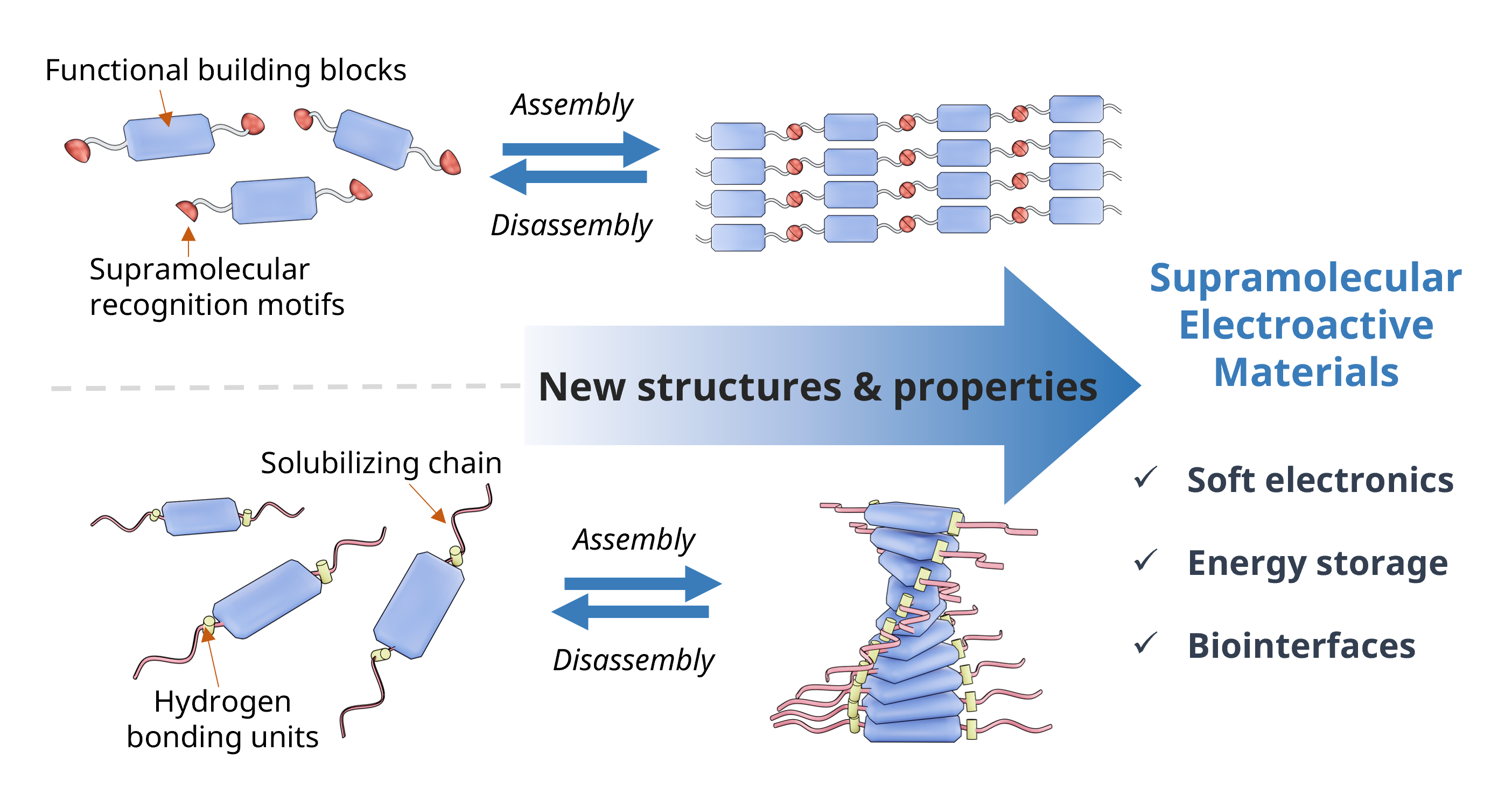
Like LEGO bricks, which can be reversibly connected and disconnected, supramolecular polymers are an emerging class of materials created when molecules self-assemble through non-covalent interactions. This unique self-assembly process offers the potential to create dynamic, hierarchical structures with attractive properties such as high processability, self-healing capabilities, and responsiveness to stimuli. Our research focuses on creating electroactive supramolecular polymers using π-conjugated oligomers, acting as conductive molecular components. Through precise control over the supramolecular interactions, we aim to design materials that exhibit mixed ionic/electronic conductivity and structural adaptivity to surrounding changes in temperature fluctuations and mechanical stress. We aim to develop innovative materials for potential applications in electronics, energy, and biointerfaces.
Synthesis of gold-iron oxide dumbbell-like heterostructure as a photo- and magneto-responsive material for cancer hyperthermia therapy
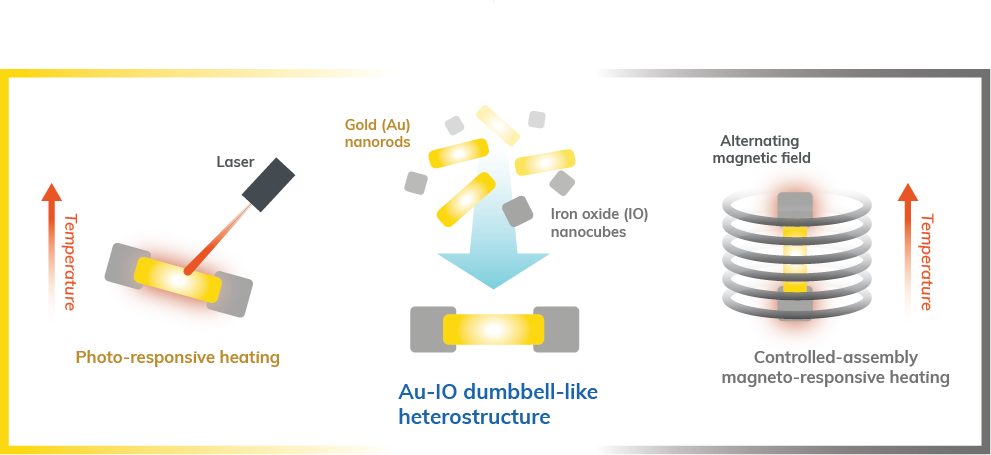
A method will be developed for the synthesis of gold (Au) and iron oxide (IO) dumbbell-like heterostructure. The material will be used as dual-responsive material through photothermal response of the Au module and magnetic hyperthermia response of the IO module. The synthesis will be done with Au nanorods of different aspect ratio as templates for the growth of IO modules. The length of the Au nanorods will be varied to control the orientation of the IO modules and tune both the photo- and magneto-responsive of the material. The final products will be tested as cancer hyperthermia agents in a 2D in vitro cell culture setting.
Gold nanoparticles, Iron oxide nanoparticles, Heterostructure, Photothermal therapy, Magnetic hyperthermia
Dr. Tatchamapan Yoskamtorn
Insights into the Structures and Dynamics of Functional Materials for Renewable Energy, Catalysis, and Sensing
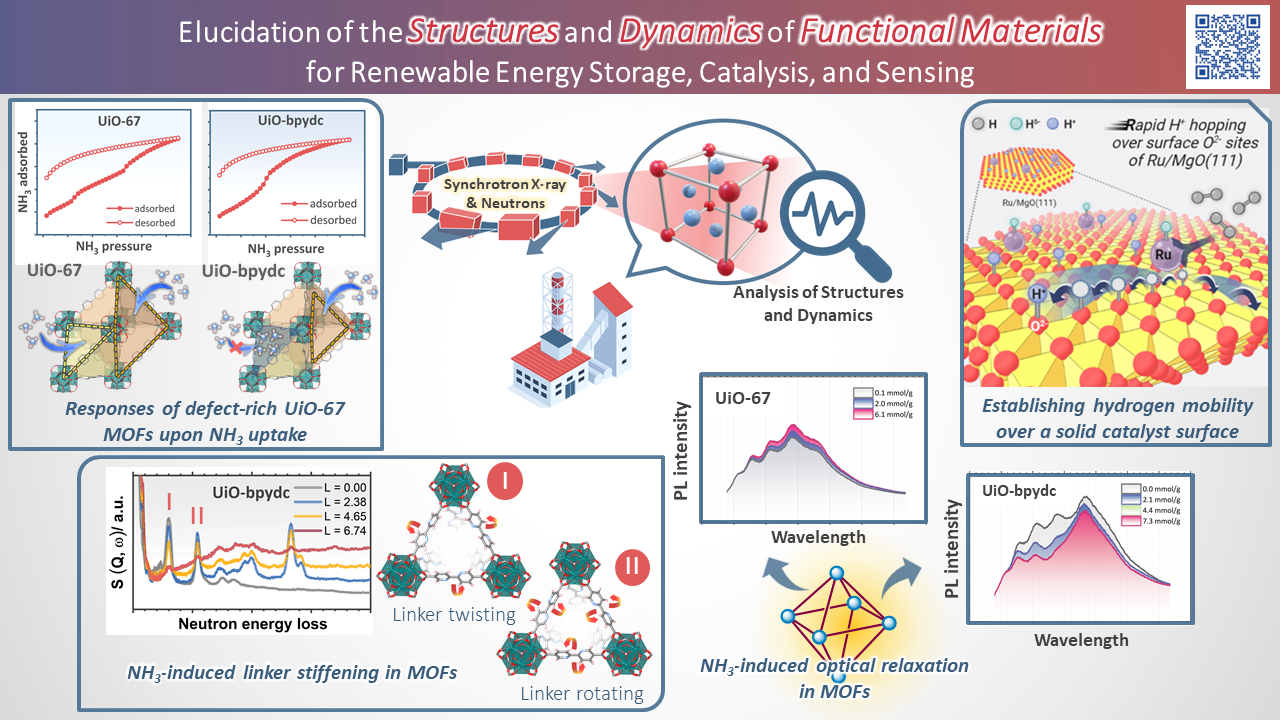
In order to design next-generation nanomaterials for renewable energy storage and catalysis, our research focuses on thorough investigations of the structures and dynamics of functional materials such as metal-organic frameworks (MOFs), zeolites, and supported metal nanoparticles, with unprecedented guest-induced properties. We have a particular focus on using a multi-disciplinary approach to gain new insights into the structure of materials and their dynamic behaviours in the solid state. The utilisation of in-situ diffraction and spectroscopy, combined with theoretical calculations, is our core methodology for achieving such detailed analyses not only under realistic conditions but also at a molecular level. For instance, the combined use of synchrotron X-ray diffraction (SXRD), neutron powder diffraction (NPD), and quasielastic neutron scattering (QENS), can yield important insights into the structures and dynamics of materials and surface species, while inelastic neutron scattering (INS), Infrared and Raman spectroscopy can give information on host-guest interactions and reaction chemistry. A comprehensive analysis of guest-induced structural changes, surface adsorbates, and reaction mechanisms involved has been reported in high-quality journals. Our growing understanding will lead to better design of novel functional materials, which hold significant relevance for both fundamental science and innovative technology. In the future, we aim to expand our in-situ and integrated methods to design and develop effective catalytic systems that can be used for the chemical recycling of waste plastic.
Keywords: functional materials, heterogeneous catalysis, biomass upgrading, energy storage and conversion, chemical recycling